
If someone else crashes your car, who pays? Learn how insurance works, liability rules, and real examples in this 2026 US guide explained simply for beginners.
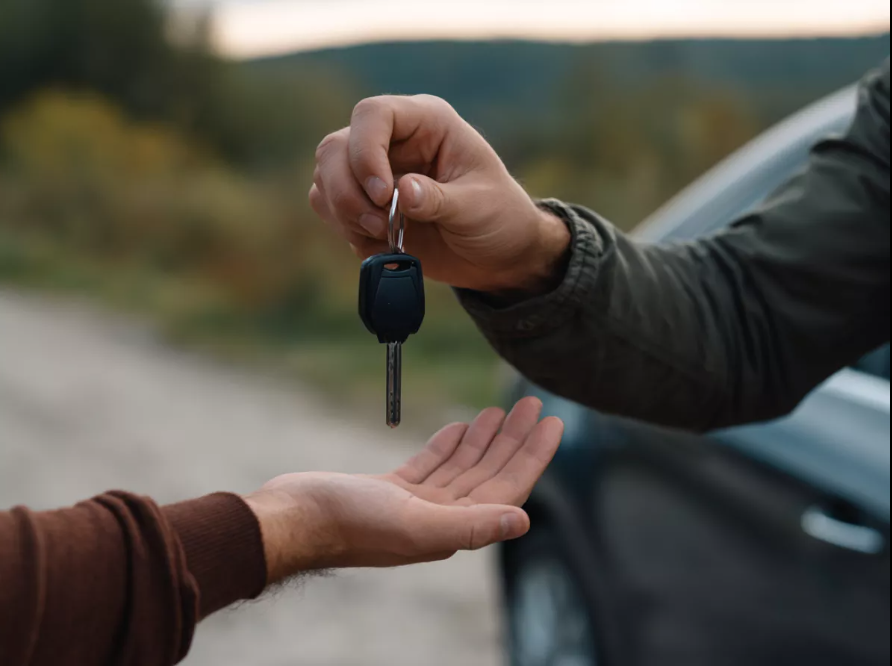
You hand over your car keys to a friend.
“Hey, can you grab something from the store real quick?”
It feels harmless. Normal. Something we all do.
But then your phone rings…
“Hey… I got into an accident.”
Your heart drops.
And suddenly, one question hits you hard:
“Wait… whose insurance pays for this?”
If you’ve ever let someone borrow your car—or might in the future—this guide will explain everything simply, clearly, and honestly so you don’t end up paying for a mistake you didn’t make.
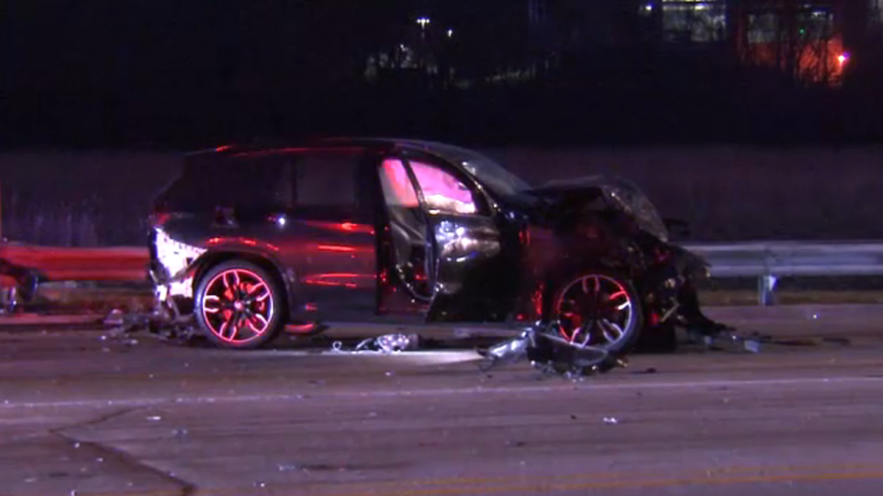
The Problem: Most Drivers Don’t Know How This Works
Many people assume:
- The driver’s insurance always pays
- The car owner isn’t responsible
- It won’t affect their policy
But that’s not how it works in the US.
The Truth (Explained Simply)
Car insurance usually follows the car—not the driver.
That means:
- Your insurance is primary
- Your policy pays first
- Even if someone else was driving
How Car Insurance Works in This Situation
When someone else crashes your car:
Step 1:
Your insurance pays first
Step 2:
If damages exceed your limits → driver’s insurance may help
Insurance Responsibility Breakdown
| Scenario | Who Pays First? |
| You drive your car | Your insurance |
| Friend drives your car | Your insurance |
| Borrowed car accident | Car owner’s insurance |
Real-Life Example (Important)
Mike lets his friend Jake borrow his car.
Jake crashes into another vehicle.
Costs:
- Damage to other car: $15,000
- Damage to Mike’s car: $7,000
What happens?
- Mike’s insurance pays first
- Jake’s insurance may cover excess
The Agitation: Why This Can Be Risky
Letting someone drive your car can:
- Increase your premiums
- Put your policy at risk
- Leave you paying out-of-pocket
Even if you weren’t driving
What Is “Permissive Use”?
Most insurance policies allow:
Permissive use = giving someone permission to drive your car
Covered Situations:
- Friend borrowing your car
- Family member driving occasionally
NOT Covered:
- Unauthorized driver
- Stolen car
- Excluded driver
What If the Driver Is NOT Covered?
If someone drives your car without permission:
- Your insurance may deny the claim
- The driver may be fully responsible
Covered vs Not Covered
| Situation | Covered? |
| Friend with permission | ✔ Yes |
| Family member | ✔ Yes |
| Stolen car | ❌ No |
| Excluded driver | ❌ No |
What If Damages Exceed Your Coverage?
Scenario:
- Your liability limit: $25,000
- Accident cost: $40,000
- Your insurance pays: $25,000
- Remaining: $15,000
Who pays the rest?
- Driver’s insurance
- OR you (worst case)
Owner vs Driver Responsibility
| Factor | Owner | Driver |
| Primary insurance | ✔ Yes | ❌ No |
| Legal responsibility | Sometimes | Sometimes |
| Premium increase | ✔ Yes | Possible |
What Happens to Your Insurance Rates?
Even if you weren’t driving:
Your rates may increase
Why?
- Claim filed on your policy
- Increased risk profile
Beginner Tip (Must Read)
“If you lend your car, you lend your insurance too.”
What If the Driver Has No Insurance?
This is where it gets risky.
- Your insurance still pays first
- You may be fully responsible for damages
Role of Uninsured Motorist Coverage
This helps if:
- Other driver has no insurance
- Costs exceed coverage
Scenario Comparison
| Situation | Outcome |
| Insured driver | Shared coverage |
| Uninsured driver | You pay more |
| No permission | Claim denied |
Special Cases You Must Know
1. Family Members
Usually covered if they live with you.
2. Excluded Drivers
If listed as excluded:
No coverage at all
3. Commercial Use
Using your car for business (Uber, delivery):
May not be covered
Real-Life Scenario #2
Sarah lets her cousin drive her car.
Cousin is an excluded driver.
Result:
- Insurance denies claim
- Sarah pays thousands out-of-pocket
Biggest Mistakes to Avoid
❌ Lending car to risky drivers
❌ Not checking your policy
❌ Ignoring coverage limits
❌ Allowing excluded drivers
How to Protect Yourself
1. Know Your Policy
Understand coverage limits.
2. Only Lend to Trusted Drivers
3. Increase Liability Coverage
4. Consider Umbrella Insurance
Risk Level Table
| Situation | Risk Level |
| Trusted driver | Low |
| New driver | Medium |
| Unknown person | High |
Internal Resources (Learn More)
https://insurancesimplifiedusa.com
External Resources
- USA.gov Insurance Guide: https://www.usa.gov/insurance
- Insurance Information Institute: https://www.iii.org
- Consumer Finance Protection Bureau: https://www.consumerfinance.gov
Key Takeaways
- Insurance follows the car—not the driver
- Your policy pays first in most cases
- Letting others drive can increase your rates
- Permission matters for coverage
- Always understand your policy limits
FAQs (SEO Optimized Section)
1. What happens if someone else crashes my car?
Your insurance usually pays first, even if you weren’t driving.
2. Will my insurance go up if someone else crashes my car?
Yes, your premium may increase.
3. Does insurance follow the car or the driver?
In most cases, it follows the car.
4. What if the driver didn’t have permission?
Your insurance may deny the claim.
5. Can I be sued if someone crashes my car?
Yes, as the owner, you may still be held liable.
Conclusion
So, what happens if someone else drives your car and crashes?
In most cases, you are still responsible.
Your insurance pays first. Your premiums may go up. And you could even face legal risk.
That’s why the smartest move is simple:
- Be careful who you trust
- Understand your policy
- Protect yourself before problems happen
Because sometimes…
One simple favor can turn into a very expensive mistake.
Sources
- USA.gov Insurance Resources
- Insurance Information Institute
- Consumer Financial Protection Bureau
- Industry data (2026 updates)
SEO Keywords (Ranking Boost)
what happens if someone else drives your car and crashes explained simply, car insurance follows car or driver US 2026 guide, borrowing car accident insurance USA, liability when someone crashes your car US, insurance rules for beginners in the US, car insurance responsibility explained USA